Nigeria Real Estate Forecast 2026: Where to Invest Before Prices Surge
 Nestova Homes
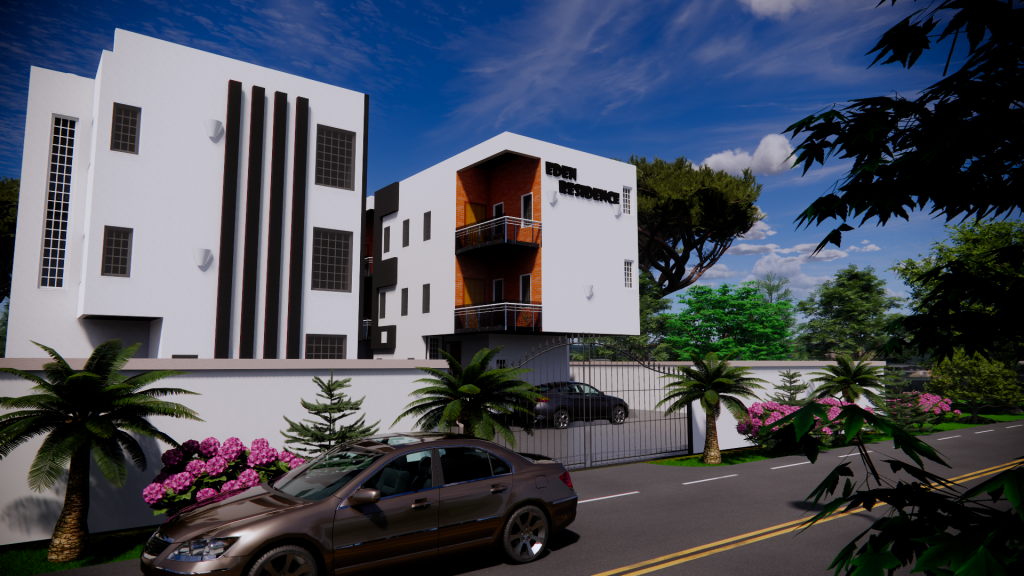
Nigeria Real Estate Forecast 2026: Where to Invest Before Prices Surge
The Nigerian real estate market is entering a decisive growth phase. Industry analysts, property data platforms, and developer pipelines all point to a 5–15% year-on-year appreciation across key residential, commercial, and land assets through 2026. This isn't speculative hype—it's a structural shift driven by infrastructure completion, demographic demand, and a growing preference for tangible asset hedging against inflation.
If you're looking to position your capital before the next pricing tier locks in, this guide breaks down exactly what's driving the forecast, which corridors offer the highest risk-adjusted returns, and how to invest safely in Nigeria's evolving property landscape.
Why the 5–15% Projection Matters
The 5–15% range isn't uniform across Nigeria. It varies by asset class and location:
- Land Banking (Emerging Corridors): 10–15% annual appreciation, especially where infrastructure is 60–80% complete.
- Mid-Range Residential (3–4 Beds): 7–10% growth, fueled by middle-class expansion and diaspora demand.
- Premium/Commercial Assets: 5–8% growth, constrained by high entry costs but stabilized by long-term corporate leases.
The sweet spot for 2026 investors lies in early-stage emerging zones where title regularization is improving, infrastructure spending is visible, and developer competition hasn't yet saturated the market.
5 Key Drivers Behind the 2026 Surge
- 🛣️ Infrastructure Completion Cycles: Major projects like the Lagos-Calabar Coastal Highway, expanded Abuja road networks, and upgraded rail corridors are converting previously inaccessible land into premium residential and commercial zones.
- 📈 Inflation-Hedge Mindset: With volatile currency dynamics, more Nigerians are treating real estate as a long-term store of value rather than short-term speculation.
- 🌍 Diaspora Capital Inflows: Remittance-driven property purchases are rising, particularly in verified, developer-backed projects with clear documentation.
- 📜 Regulatory Modernization: Digital land registries, streamlined Certificate of Occupancy (C of O) processes, and state-level title verification portals are reducing transaction friction and boosting buyer confidence.
- 🏗️ Construction Cost Pass-Through: Cement, iron rod, and logistics costs continue to rise. Developers are pricing new units accordingly, pushing resale and secondary market values upward.
Top 5 Emerging Hotspots for 2026
These corridors show the strongest fundamentals for 8–15% appreciation over the next 18–24 months:
1. Epe & Ibeju-Lekki Axis (Lagos)
Still undervalued compared to Lekki Phase 1, this corridor benefits from the Free Trade Zone, deep seaport proximity, and new expressway linkages. Land banking and mid-range housing here consistently outperform older Lagos markets.
2. Karsana & Kurudu (Abuja)
As Maitama and Wuse approach saturation, young professionals and government contractors are migrating to these northern/eastern extensions. Improved road networks and state housing initiatives are driving steady 9–11% appreciation.
3. Mowe-Ofada & Sagamu (Ogun State)
Lagos spillover demand has transformed this industrial-residential corridor into a logistics and mid-market housing hub. Affordable land plots with clear titles are appreciating at 10–12% annually.
4. Port Harcourt GRA Extension & Rumuola
Oil sector stabilization, rising commercial activity, and a growing expatriate/middle-class population are pushing residential and short-let demand. Expect 7–9% growth with strong rental yields.
5. Ibadan Moniya–Apata Corridor
The Lagos-Ibadan Expressway expansion and university-driven population growth have turned this area into an affordable housing powerhouse. Land and semi-detached homes here offer 6–8% appreciation with low entry costs.
How to Position Your Investment in 2026
- Buy Before Ribbon-Cutting: The highest appreciation occurs 12–18 months before major infrastructure becomes fully operational. Monitor state budget allocations and contractor progress reports.
- Prioritize Title Clarity Over Price: A ₦5M plot with a clean C of O or Governor's Consent will outperform a ₦3M plot with excision delays or communal disputes.
- Use Escrow & Milestone Payments: Never pay 100% upfront for off-plan projects. Tie payments to construction phases (foundation, roofing, finishing) with legal penalty clauses.
- Leverage Fractional/PropTech Platforms: If capital is constrained, regulated fractional ownership platforms now allow entry from ₦100k–₦500k with transparent dividend structures.
Critical Risks & How to Mitigate Them
No forecast is without risk. Smart investors hedge against the following:
- 🔍 Title Fraud: Always conduct physical site visits, cross-check with the state land registry (AGIS for Lagos, AGIS Abuja for FCT), and engage an independent property lawyer—not the seller's counsel.
- ⏳ Developer Delays: Review past project delivery timelines, request audited financials if possible, and insist on a signed completion schedule with liquidated damages.
- 💱 Currency & Liquidity Risk: If you're investing diaspora funds, use USD-pegged short-let structures or partner with verified local agents to manage tenancy and maintenance remotely.
Final Takeaway
The 2026 Nigerian real estate market rewards patience, verification, and strategic timing. The 5–15% appreciation window is real, but it's concentrated in emerging corridors with visible infrastructure progress and clean documentation. Investors who prioritize due diligence, use structured payment terms, and avoid saturated premium zones will capture the highest risk-adjusted returns.
Ready to make your next move? Download our free 2026 Nigerian Property Verification Checklist or subscribe for monthly market updates, off-plan deal alerts, and developer vetting reports.
Disclaimer: This article provides market analysis and educational insights. Real estate investments carry risks. Always consult a licensed property lawyer and conduct independent due diligence before committing capital.
Comments
Leave a Comment
Your thoughts matter — share your perspective on this article.
You must be logged in to leave a comment.
Sign In to Comment
Great